
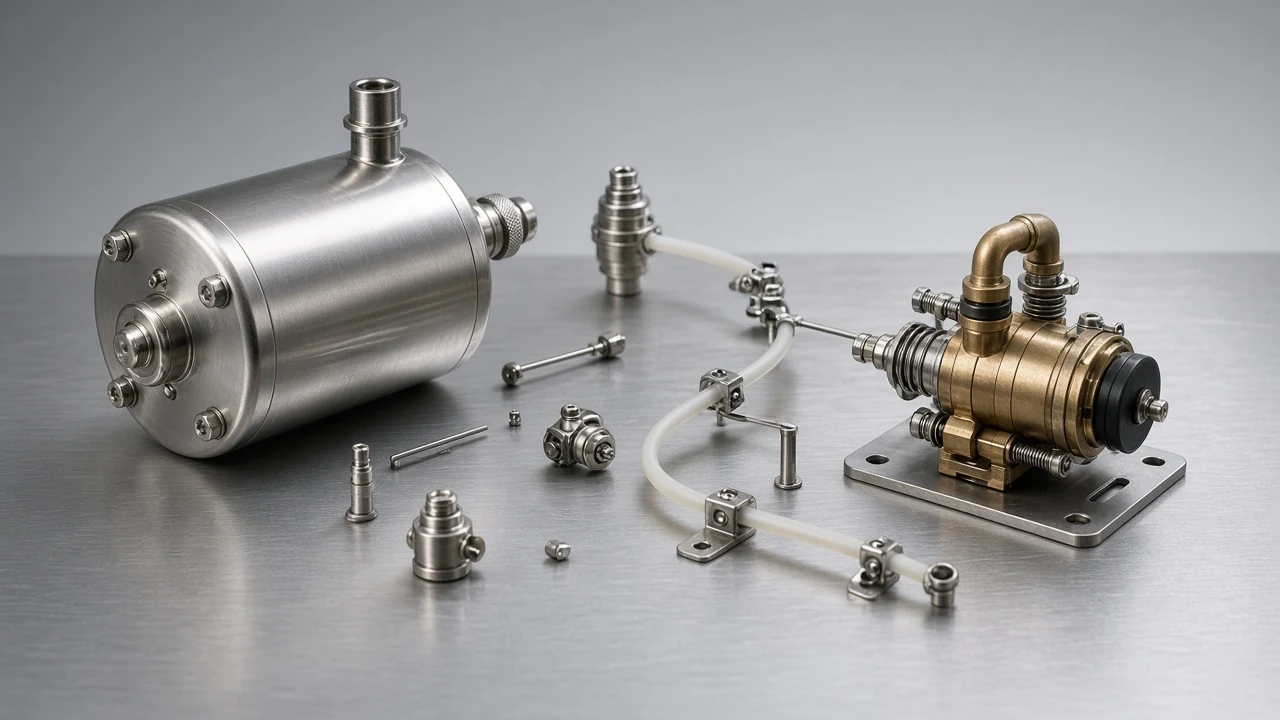
Comparing OEM vs ODM vs private label for espresso machines comes down to one question: who owns the tooling, the boiler layout, and the patents inside the machine? If you search for an oem coffee machine manufacturer, the three terms can look like three kinds of factory. They are not. When a brand owner asks for "an OEM espresso machine," they usually mean "put my logo on your machine," which is private label. That gap between the word and the work is where many first orders go wrong.
Why "OEM" on an Espresso Machine Usually Means Private Label
Many inquiries open with a price. Picture two buyers who each want 1,000 semi-automatic machines a month. One wants to re-badge an existing housing. The other wants a platform with an automatic milk system. Their quotes will differ widely, and until the buyer says which one they want, any single number is only an estimate.
Our catalogue FOB runs from about $25 to $165. That spread reflects platforms, not room to negotiate. It separates a plastic-housing semi-automatic, a stainless body, a 3-in-1 platform, and a flagship wide-body machine with a milk system. Name the platform first, and the price conversation gets specific. You can browse the espresso machine catalogue to see which platform is closest to your plan.
OEM vs ODM vs Private Label Espresso Machine: The Four Labels in Machine Terms
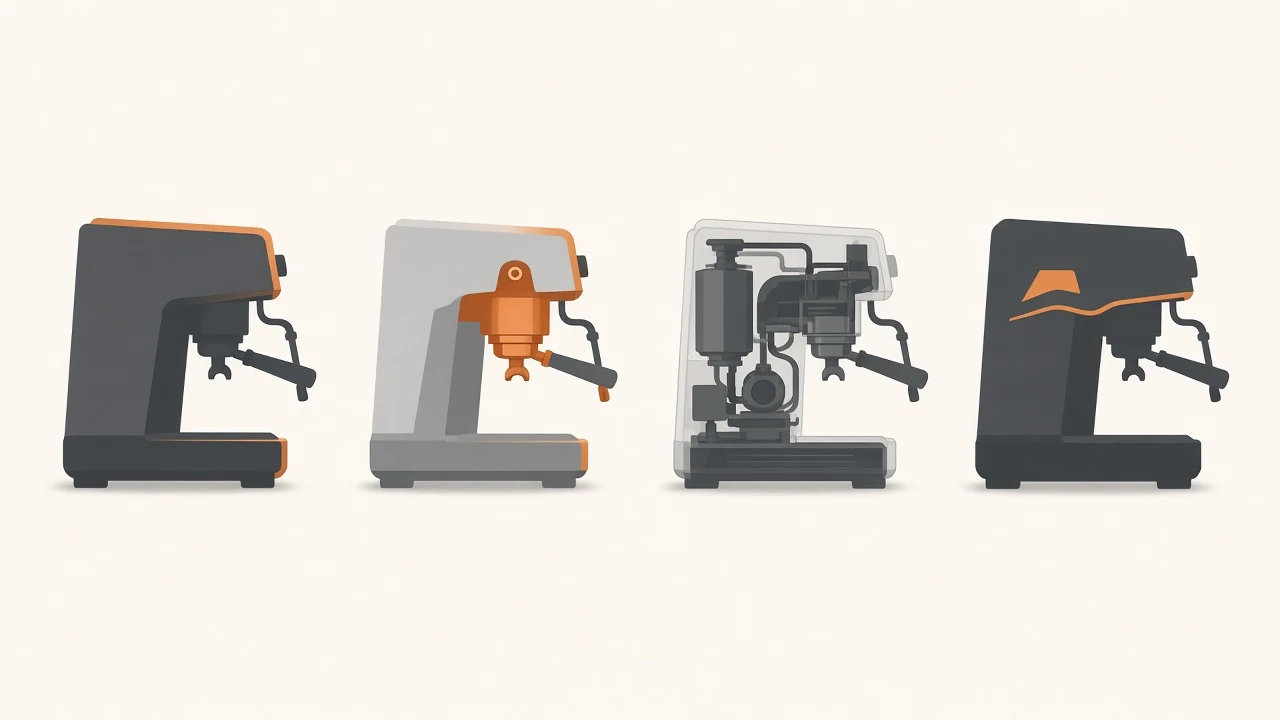
| Label | Who defines the design | Who owns tooling and patents | What you can change | What it means for your machine |
|---|---|---|---|---|
| OEM (strict) | You, with drawings or a full spec | Usually you, if you paid for it | Everything, because you specified it | You own the housing, group, boiler layout, and milk circuit. New tooling, new certification, and your engineering risk |
| ODM | The factory, within your brief | The factory | Colour, logo, panel program, packaging, features | You shape an existing platform. Same tool, same approved internals, your market position |
| Private label | The factory, on an existing platform | The factory | Branding, packaging, sometimes colour | Your name on a proven machine. Often the fastest route to market |
| White label | The factory, on an existing platform | The factory | Branding only | The same machine can be sold to other buyers. Your differentiation is mostly the logo |
Private label and white label are the same manufacturing job with different commercial terms. The espresso machine itself stays the same. What changes is whether the factory will put the same housing, group, and internals into someone else's carton next month.
ODM means you shape an existing platform rather than create one. The boiler architecture, group, milk system, and housing are already built and certified. You adjust what the market sees and what the control panel does. Many private-label brands work this way, whether or not they use the term.
White Label Espresso Machine: The Same Job Without Exclusivity
White label is private label without exclusivity. It can be a reasonable way to test whether a market wants a machine at all. It is a weak foundation for a brand, though, because your differentiation then depends on the logo.
Ask one question in writing before you pay a deposit: will the factory sell this exact model to your competitor? A vague answer means you may be buying white label while calling it private label. A simple test: if a near-identical machine appears under another brand, the answer you were given did not amount to exclusivity.
What You Can Change on a Platform, and What Makes a New Product
Some changes are easy, and they rarely disturb the rest of the machine:
- Logo and branding. Silk print, laser engraving, a metal nameplate, or IMD, depending on the surface.
- Colour. Matched to your Pantone reference or a physical chip. Expect about two sampling rounds and about USD 5 extra per machine. A perfect first-hit match is uncommon.
- Panel program. Button wording, water-out volume, and grinder dose live in the program, not in the steel. One of our Saudi customers needed an Americano from a machine built for single and double shots. We changed the panel wording and lengthened the water-out time to give 150–350 ml, without new tooling.
- Packaging. Custom cartons generally start at 1,000 units per design. Below that, a carton start-up fee applies, about RMB 1,000 per model.
Other changes create a new product. A new outer housing, a different boiler architecture, a built-in milk tank on a housing that has none, a different group diameter such as 51 mm to 58 mm, or a move to automatic milk all need new steel and a new internal layout. A changed design may also need its own certification testing, so ask the factory which certificates the new design needs before you commit.
We will not stretch an existing housing tool into a new shape to win a deal. The usual result is a weaker machine at a higher price than either option done properly.
Who Owns the Tooling, and What a Mould Costs
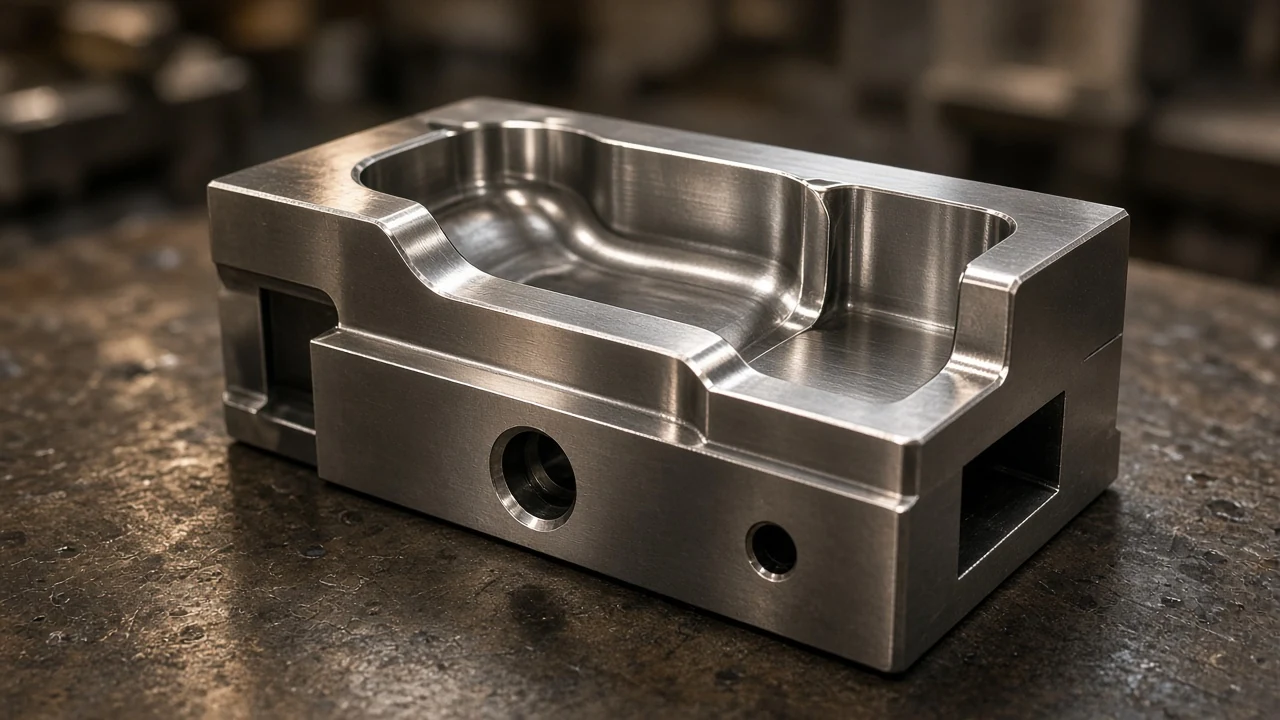
A new machine needs its own mould. A 3-in-1 mould set runs around RMB 1.5 million, and a single-machine line costs under RMB 1 million. From development to the T1 trial takes about 45 days. T1 is a milestone, not the end. Tool trials, pilot units, and your sign-off follow before production starts.
Changing an existing mould for a custom appearance costs roughly RMB 100,000 to 200,000 and takes about three months. The key point is who pays. A mould paid for by the buyer is exclusive to that buyer. If the cost is split, the tool can be shared, but agree the split and the sharing terms in writing before work starts.
The Two Clocks: Re-badge vs New Steel
The two routes run on different calendars. A supplier who gives one lead time without saying which route it covers is quoting the easy case.
| Your order | Sample | To first sellable unit |
|---|---|---|
| Re-badge an existing platform (logo, carton, colour) | About 1 week | About 2 months from PO |
| Same platform, program change or mould modification | About 1 month | About 3 months from PO |
| New housing, same internals | 45 days to T1, then trials and sign-off | Multi-month development track |
| Genuinely new machine | 45 days to T1, plus engineering iterations | Multi-month, tooling budget first |
For a re-badge, production takes about 45 days from order to goods. Inspection and container booking add about a week each, which roughly accounts for the two months.
Which Route Fits Your Buyer Type
Amazon sellers and e-commerce brands
Your real questions are rarely OEM versus ODM. Ask how batch four compares with batch one, whose name appears on the certification, and who produces the renders, videos, and listing assets before launch. Some suppliers under-quote the asset work, which can leave it to you.
Importers and distributors
Exclusivity is most of the deal. Define the territory, the model, and the duration. If the tooling is split between you and the factory, the model is not fully yours, so settle that before you sign.
Brands building their own machine
Budget for the mould and the multi-month track before you commit to a silhouette. If you pay the mould fee, the tool stays exclusive to you.
Hotel and café buyers
A Saudi buyer came to us for a dual-head commercial espresso machine for coffee shops and restaurants. Their main question was speed during the rush. A datasheet could not settle that, so we filmed an Americano and a cappuccino being made, which took about two to three minutes for the pair. We also said plainly that one machine has a ceiling at peak hour, and the real answer is a second unit, not a faster shot.
They chose the CM 1678 for the commercial counter, which has two pumps, a triple boiler, and about 2950 W, so brewing and frothing can run at the same time. They added the value-priced CM 1610D alongside it. Both are standard catalogue models, so the order did not need a new mould.
The Four Questions That Matter More Than the FOB Price
Before you compare quotes, answer four questions:
- Are we re-badging a platform you already have, or does this need new steel? One answer can move the quote by an order of magnitude and the timeline from two months to several.
- What is this machine competing against on my shelf, at what retail price? A target FOB means little until the competitor model and retail price are known.
- What is the first order quantity? Standard MOQ is 500 pieces per model, and some high-value machines can start at 300. A first order can mix models to reach one 20-foot container, with about a 5% uplift on the mixed load.
- Is my market's compliance already covered? CE, CB, ERP, LFGB, RoHS, and REACH are on our products, with ISO and BSCI on the management side. Market-specific approvals take their own time, so confirm them early. The certifications page lists what we hold.
Payment usually follows a 30% deposit on signing, then the balance against the bill of lading if we arrange the forwarder and container, or before loading if you arrange them.
Batch Consistency and Who Owns What When the Relationship Ends
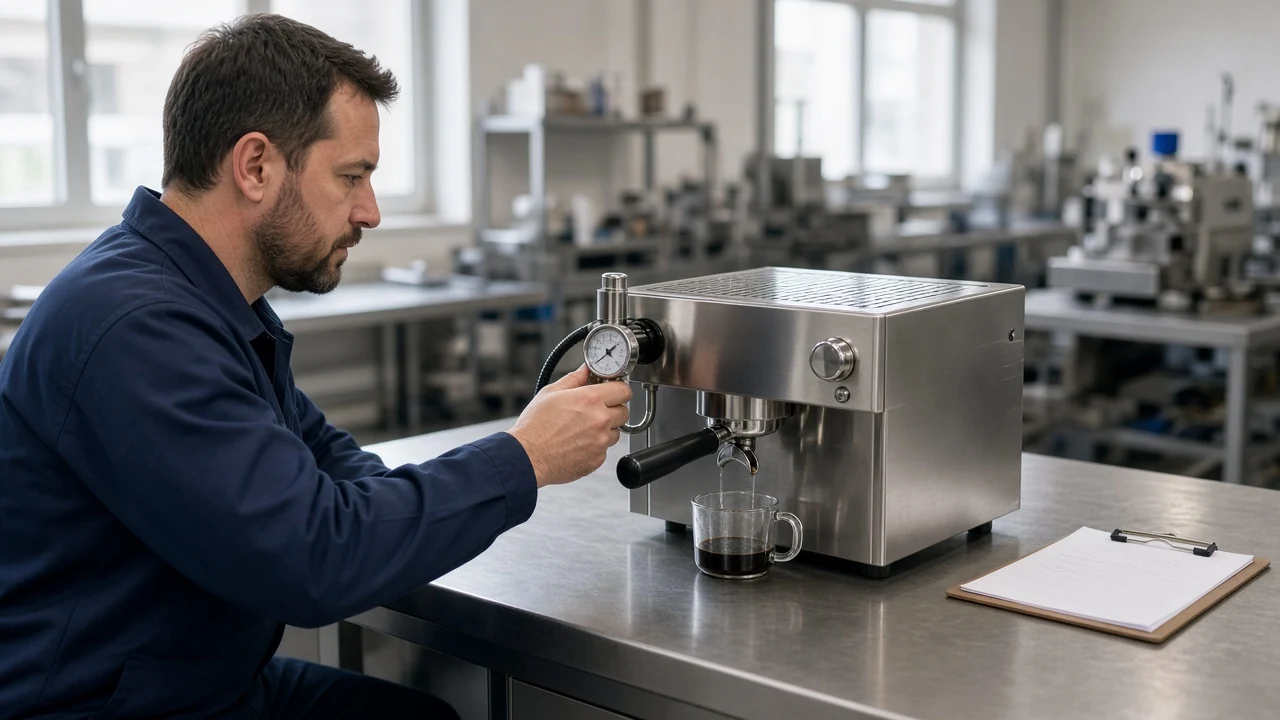
Batch consistency shows up directly in your rating. A pump that drifts, a thermostat that varies, or a milk circuit that clogs on one batch but not the next can become one-star reviews within a few sales cycles.
Our quality system runs five gates: supplier quality (SQE), incoming quality (IQC), in-process quality (PQC), quality assurance (QA), and final quality (FQC). Core components are fully inspected, and our shipment pass rate is 99%. One of our long-term partners is CASABREWS, which sells on Amazon in the United States. We have worked together since late 2021, and its CM 1662 has held a top-three position in Amazon's coffee machine category for three to four years. On a marketplace where ratings build over time, one bad batch can cost months of work, so this is where we put much of our effort. Read more about how our quality system works.
Ownership needs the same care. Before you pay a deposit, get four things in writing: the drawings, the patents, the tooling, and the right to sell the same model to your competitor. We hold patents on the automatic milk system, the dual-boiler heating system, the cold brew circuit, and anti-static grinding. We sign design-protection agreements on client projects, which lowers the risk that a buyer's differentiation ends up on a competitor's listing.
Six Questions to Ask Any Espresso Machine Factory Before You Sign
- Is this an existing tool, a modified tool, or new steel, and which one is in the price you were quoted?
- Who pays the mould, and does that make the tool exclusive to me?
- If I split the tooling cost, who else can use the tool?
- Which of my changes sit in the panel program, and which need a circuit board change or new steel?
- What is the carton minimum, and what is the start-up cost below it?
- Whose name is on the certification, and who holds the drawings?
A factory that answers all six without hedging is one you can build a brand on. For more checks, see our red flags checklist for espresso machine manufacturers.
Where an ODM Espresso Machine Factory With Its Own Patents Fits
We are an ODM espresso machine factory, and we say so up front, which saves time on both sides. Our engineering team has more than 20 years in espresso machines. We run 112+ models across 11 product series, built largely on existing tooling. We design our own moulds in-house and outsource the machining.
What separates a re-skinned catalogue machine from a differentiated one is the internals. Our patents cover the milk system, dual-boiler heating, cold brew, and anti-static grinding. If your competitor buys from the same province, those internals are where you can separate, not the logo.
The fastest route to a branded machine is private label on an existing platform. The most exclusive route is tooling. Many brands sit between the two, with their own housing or their own panel on a proven platform. Say which one you want, because that is where the word "OEM" often gets used to mean all three. Start with our OEM/ODM process and what we customize.
Conclusion
If you are comparing OEM vs ODM vs private label for espresso machines, start with ownership. Name the platform, the tooling owner, and the exclusivity terms before you discuss price, then compare factories on those answers. For a practical checklist on evaluating China coffee machine factories, read our B2B sourcing checklist. To see how these arrangements have played out for real brands, review our case studies.
FAQ
Is an OEM espresso machine the same as private label?
Usually not. Strict OEM means you supply the full specification and own the tooling. Private label usually means your logo and packaging go onto an existing factory platform. In practice, many requests labeled OEM turn out to be private label.
What is the MOQ for private label espresso machines from China?
Standard MOQ is 500 pieces per model, and some high-value machines can start at 300. A first order can mix models to fill one 20-foot container, usually at a small price uplift on the mixed load.
Can a factory sell my model to other brands?
It can, unless you negotiate exclusivity. Ask the question directly, and get the answer and the exclusivity terms in writing before you pay a deposit.